
Assess heart performance
Procedure
EXERCISE TESTS (ETT, ESE) BY DR SEN
Procedure at a glance
Expected result:
Treatment time:
30-60 minutes
Anaesthetic:
Not required
Expected downtime:
Little to none
Longevity:
As directed
Expected result:
Assess heart performance
Treatment time:
30-60 minutes
Anaesthetic:
Not required
Expected downtime:
Little to none
Longevity:
As directed
Exercise tests such as the ETT and ESE assess how your heart performs under physical stress. At Dr Sayan Sen’s private cardiology clinics in London these tests help diagnose coronary artery disease, arrhythmias and other exercise-induced cardiac concerns.

What are Exercise Tests ESE and ETT?
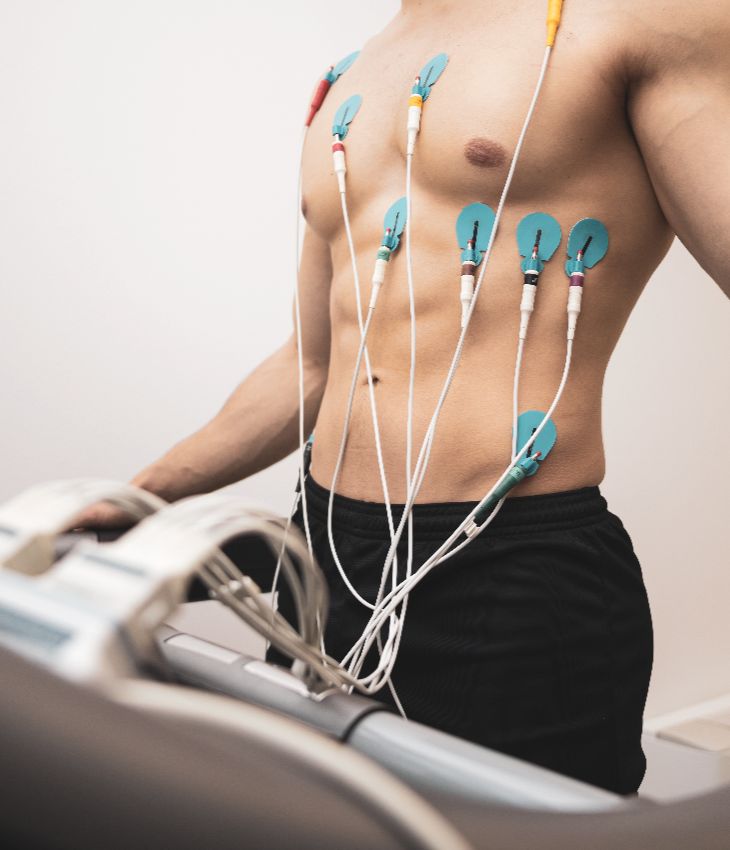
Exercise tests monitor your heart’s response to controlled physical exertion, providing crucial data for diagnosis and treatment. Two common forms are the Exercise Tolerance Test (ETT) and the Stress Echocardiogram (ESE).
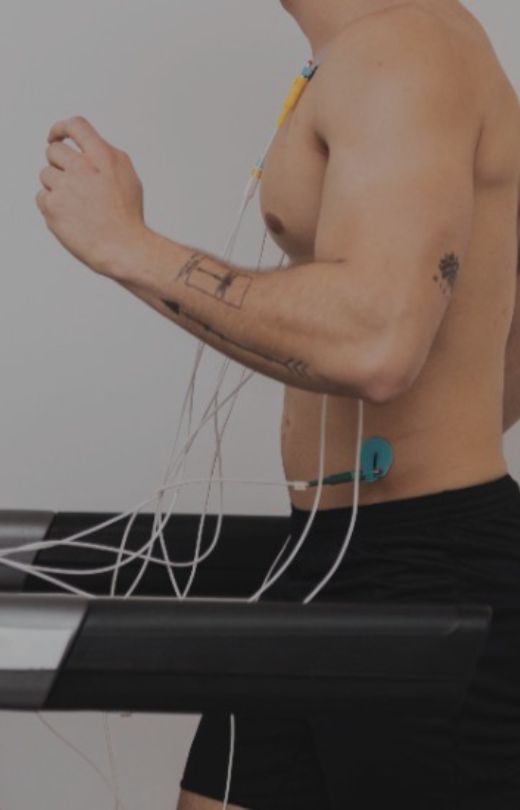
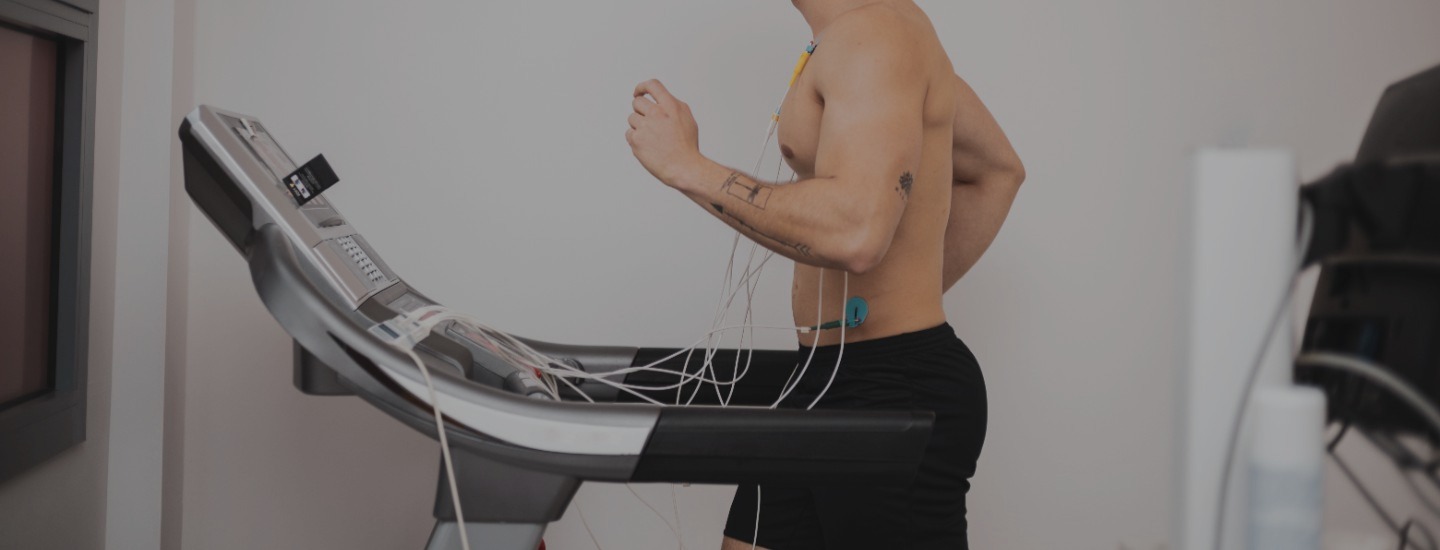
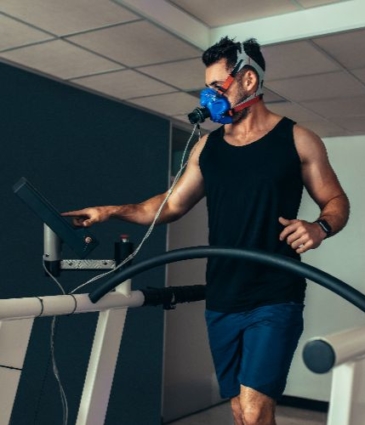
An ETT involves walking on a treadmill while your heart rhythm, blood pressure and symptoms are monitored. An ESE combines treadmill exercise with ultrasound imaging of the heart before and after exertion. These tests are particularly useful in identifying reduced blood flow to the heart, abnormal rhythms, or causes of exertional chest pain and breathlessness.

When Might You Need an ETT or ESE?
Exercise testing is appropriate when symptoms appear during physical activity or when there’s a need to evaluate how well the heart handles increased workload.
- Suspected coronary artery disease: Helps identify if narrowed arteries are restricting blood flow during exercise.
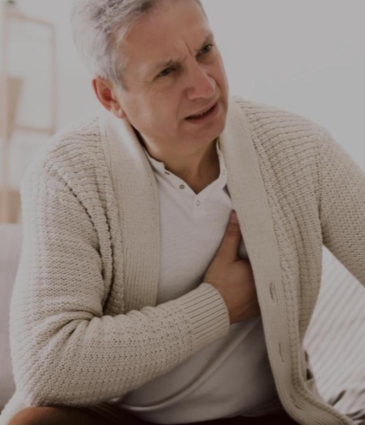
- Exertional chest pain: Reproduces symptoms under controlled conditions to aid accurate diagnosis.
- Unexplained palpitations or dizziness: Monitors heart rhythm for abnormalities triggered by exercise.
- Treatment response monitoring: Assesses the effectiveness of medication or recovery post-intervention or surgery.
What to Expect Following an Exercise Test
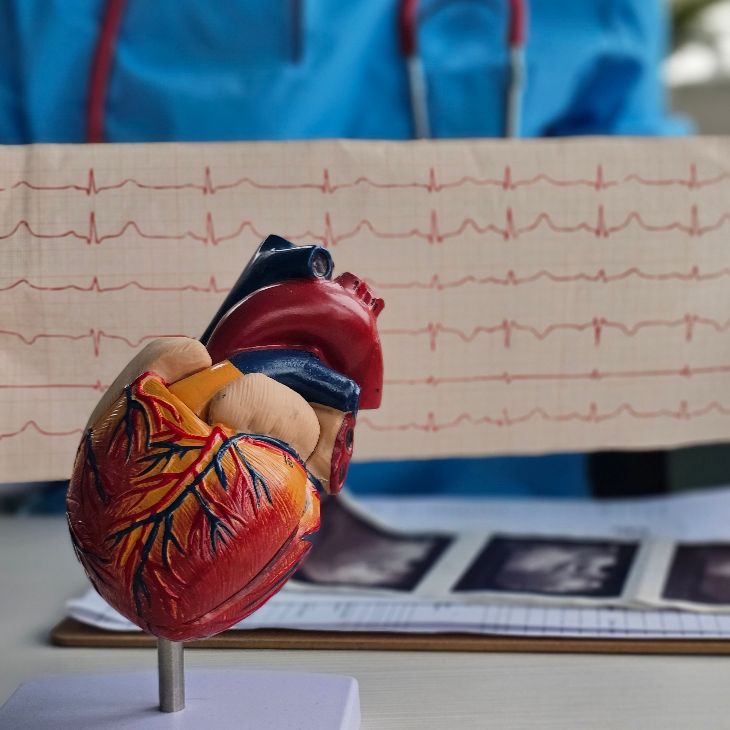
Dr Sen will analyse your heart’s response to exercise and explain the findings in detail, including what they mean for your cardiac risk or diagnosis.
Test results are typically available the same day. Based on your results, he may recommend further tests (e.g. angiography or imaging), lifestyle changes or treatment. With clinics in London you’ll receive prompt, personalised care based on robust, real-world cardiac performance data.
FAQs
What’s the difference between an ETT and an ESE?
An ETE tracks your heart rhythm, blood pressure and symptoms during treadmill exercise. It’s useful for detecting rhythm issues or general exercise tolerance. An ESE goes a step further by including ultrasound imaging of the heart before and after exercise, helping to visualise changes in blood flow or wall motion that may indicate coronary artery disease.
Is the test safe if I have existing heart issues?
Yes, both ETT and ESE are conducted under close medical supervision in a controlled setting. The intensity is gradually increased and tailored to your ability. Dr Sen will evaluate your health history beforehand to ensure the test is appropriate and safe. You’ll be monitored closely throughout the procedure.
Will I need to prepare for the test?
You may be asked to avoid caffeine, large meals and certain medications beforehand. Wear comfortable clothes and trainers suitable for walking. Full instructions will be provided by Dr Sen’s team ahead of your test at one of the London clinic locations.

Related Procedures
Related Symptoms