

Identifies hole in the heart
Procedure
BUBBLE ECHOCARDIOGRAM BY DR SEN

Procedure at a glance
Expected result:
Treatment time:
30-45 minutes
Anaesthetic:
Not required
Expected downtime:
None
Longevity:
As advised
Expected result:
Identifies hole in the heart
Treatment time:
30-45 minutes
Anaesthetic:
Not required
Expected downtime:
None
Longevity:
As advised
A Bubble Echocardiogram is a specialist heart ultrasound used to detect a hole in the heart, such as a PFO (patent foramen ovale) or ASD (atrial septal defect). Dr Sayan Sen offers this diagnostic test at leading cardiology clinics in London.
What is a Bubble Echocardiogram?
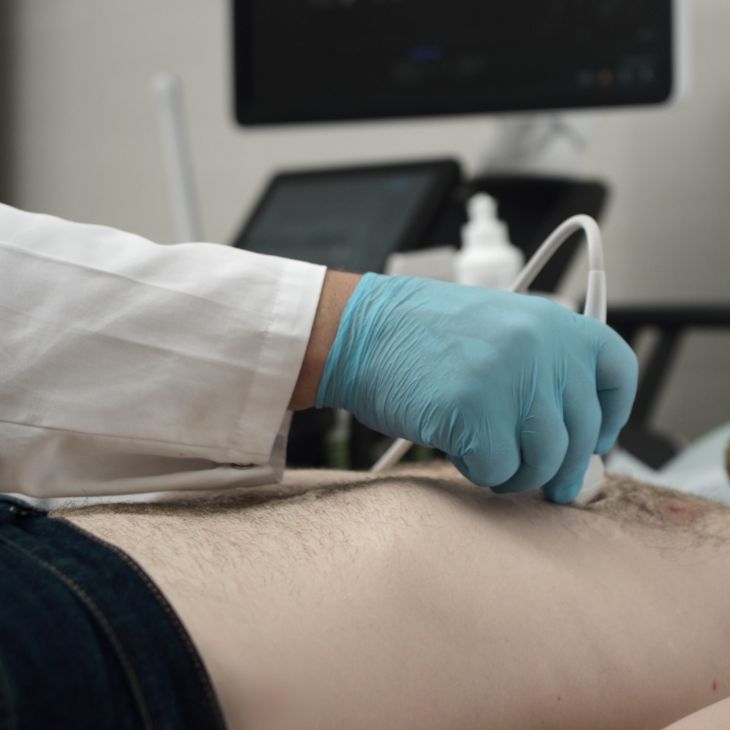
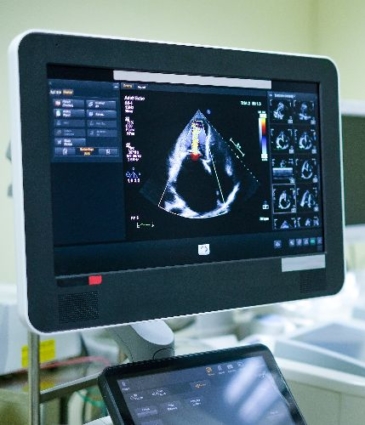
A Bubble Echocardiogram is a targeted form of contrast echocardiography. It assesses for abnormal blood flow between the heart’s chambers – typically through a small opening like a patent foramen ovale (PFO).
During the test, a harmless saline solution mixed with tiny bubbles is injected into a vein. As the bubbles travel to the heart, ultrasound imaging tracks whether they pass from the right to the left side of the heart. This test is key in diagnosing shunts linked to stroke, migraines or breathlessness, especially in younger patients.

When Might You Need a Bubble Echocardiogram?
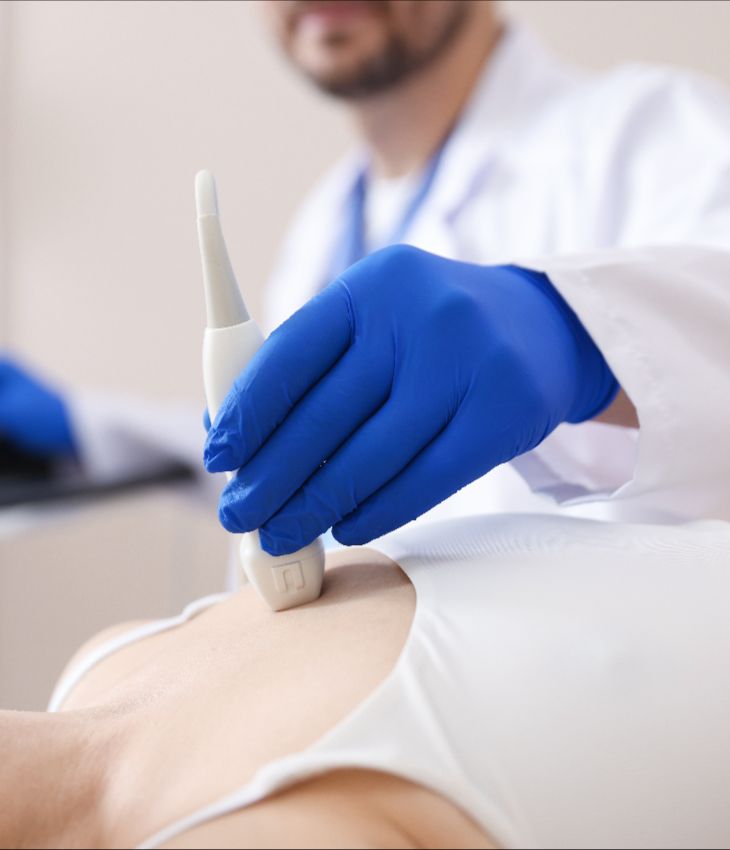
This test is often recommended when symptoms or previous test results suggest a potential heart defect or unexplained event that could involve a cardiac shunt.
- Unexplained stroke or TIA: Helps detect a PFO that may allow clots to pass from veins to arteries.
- Recurrent migraines: Investigates the link between migraines with aura and small cardiac shunts.
- Oxygen desaturation: Identifies unusual mixing of oxygen-poor and oxygen-rich blood in the heart.
- Follow-up of abnormal echo: Clarifies the presence and severity of any inter-atrial communication seen previously.
What to Expect Following Bubble Echocardiogram
After the test, Dr Sen will interpret the findings and explain whether a shunt or abnormal communication was seen. In some cases, further investigation or referral for closure procedures may be discussed.
The test is safe and non-invasive, with results typically available the same day. If a PFO or similar defect is confirmed, treatment options will be tailored to your symptoms and medical history, all managed from clinics in London, Surrey or Berkshire.
FAQs
What is the 'bubble' made of?
The ‘bubble’ contrast is simply sterile saline (salt water) agitated with a small amount of air to create microbubbles. These bubbles are safe, non-toxic and dissolve in the bloodstream within seconds. They’re used purely to enhance the visibility of blood flow patterns during ultrasound imaging.
Is the test uncomfortable or painful?
The test is generally painless. A small cannula is placed into a vein (usually in the arm) to allow the saline bubble contrast to be injected. You may be asked to briefly hold your breath or perform a gentle ‘sniff’ during the scan to increase the sensitivity of the test.
What happens if a PFO is found?
Not all PFOs require treatment. Dr Sen will consider your individual risk factors, such as history of stroke, migraine, or blood clots. If closure is recommended, he will discuss options for catheter-based procedures or ongoing medical management at one of his clinics in London.

Related Procedures

Related Symptoms