
Identify dizziness causes
Procedure
TILT TEST BY DR SEN


Procedure at a glance
Expected result:
Treatment time:
45-60 minutes
Anaesthetic:
Not required
Expected downtime:
Minimal
Longevity:
Test-based findings
Expected result:
Identify dizziness causes
Treatment time:
45-60 minutes
Anaesthetic:
Not required
Expected downtime:
Minimal
Longevity:
Test-based findings
The Tilt Test is used to investigate unexplained fainting or dizziness. Offered by Dr Sayan Sen at his cardiology clinics in London which provides a safe and effective way to uncover blood pressure or heart rate abnormalities.
What is a Tilt Test?
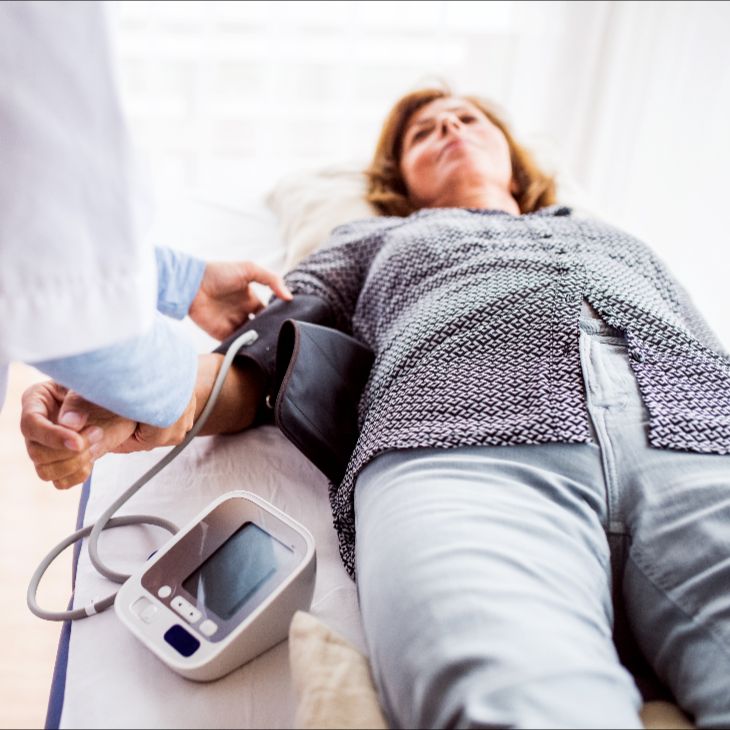
A Tilt Test, or Tilt Table Test, evaluates how your heart rate and blood pressure respond to changes in posture. It helps detect causes of syncope (fainting), particularly when standard tests return normal results.
You’ll lie flat on a special motorised table, which tilts you gradually to an upright position while your heart rhythm and blood pressure are continuously monitored. Dr Sen uses this controlled environment to identify conditions like vasovagal syncope or orthostatic hypotension. It’s non-invasive, highly informative, and usually completed in under an hour.


When Might You Need a Tilt Test?
This test is ideal if you’re experiencing repeated fainting or dizziness without a clear cause, especially when symptoms occur during standing or prolonged sitting.
- Unexplained blackouts: Identifies sudden drops in blood pressure or heart rate not captured during routine exams.
- Light-headedness on standing: Detects orthostatic hypotension, where blood pressure falls upon standing.
- Suspected vasovagal episodes: Assesses reflex-related fainting triggered by stress, pain, or standing too long.
- Postural symptoms: Evaluates dizziness or nausea associated with position changes, often missed in resting tests.
What to Expect Following a Tilt Test
After your test, Dr Sen will review the data and explain the findings in clear, practical terms during your consultation. This may be carried out face-to-face in-clinic, or over the phone.
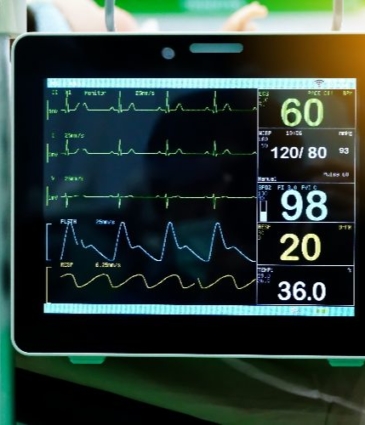
If a cause for your fainting or dizziness is identified, he will outline your treatment options – these may include medication, lifestyle changes, or further investigation. The results help guide safe, effective management of your symptoms at Dr Sen’s London, Surrey or Berkshire cardiology clinics.

FAQs
Is the Tilt Test uncomfortable or painful?
The test is not painful, but some patients may feel light-headed, dizzy or faint during the procedure – particularly if that mimics their usual symptoms. You’ll be monitored throughout by trained staff and can stop at any time. The aim is to safely reproduce symptoms for accurate diagnosis.
How long does the test take?
The entire appointment typically lasts 45-60 minutes, although the actual tilt phase is usually around 20-30 minutes. You may be observed for a short period afterward before going home. There’s no need for anaesthetic, and most patients can return to daily activities the same day.
Will I need to prepare before my appointment?
You may be asked to avoid heavy meals, caffeine, or certain medications on the day of the test. Comfortable clothing is recommended. Full pre-test instructions will be provided by Dr Sen’s clinic team in London ahead of your appointment.

Related Procedures